Paint plays a vital role in safeguarding your commercial property, but exposure to moisture, ultraviolet (UV) rays, and daily wear can seriously compromise its integrity. To ensure your investment remains vibrant and durable, it’s crucial to employ protective measures that combat these damaging factors. Implementing quality sealants, selecting UV-resistant paint, and adhering to a regular maintenance routine can help you maintain the aesthetic appeal and longevity of your painted surfaces. Prioritizing these protective strategies can save you from costly repairs and repainting in the future.
Key Takeaways:
- Utilize high-quality sealants and protective coatings to guard against moisture intrusion and ensure longevity of the paint.
- Regularly apply UV-resistant topcoats to minimize fading and damage caused by sun exposure, preserving the vibrancy of the color.
- Implement a routine maintenance schedule to address minor chips and scratches promptly, preventing them from escalating into more significant issues.
Understanding Commercial Paint
Before you launch on your commercial painting project, it’s vital to familiarize yourself with the various types of commercial paint. Each type is specially formulated to meet specific needs depending on the environment and surface being painted. Understanding the distinctions can help you choose the right product for your application.
Types of Commercial Paint
Types of commercial paint can vary widely in terms of composition and application. Here’s a breakdown that might help you in your selection:
| Water-Based Paint | Ideal for indoor use, easy to clean and low odor. |
| Oil-Based Paint | Durable and water-resistant, suitable for high-traffic areas. |
| Acrylic Paint | Flexible and quick-drying, provides excellent color retention. |
| Epoxy Paint | Highly resistant and ideal for flooring and industrial settings. |
| Latex Paint | Popular for its ease of application and quick drying time. |
Knowing the characteristics and advantages of each paint type will allow you to make an informed decision, ensuring that your commercial project meets your functional and aesthetic requirements.
Importance of Quality in Paint Selection
Commercial paint selection is not a task to be taken lightly. The quality of paint you choose can significantly impact the longevity and appearance of your project. High-quality paints are more resilient to moisture, UV rays, and general wear and tear, making them a worthy investment in the long run.
Even when you find a paint that seems appealing based on the initial price, the cost of redoing a job due to premature chipping, fading, or mildew can lead to higher expenses. By selecting high-quality products upfront, you ensure that your surfaces will look good longer, reducing maintenance time and costs while safeguarding your surfaces against environmental damage.
Effects of Moisture on Paint
Clearly, the presence of moisture can have significant consequences on the longevity and appearance of commercial paint. Exposure to moisture not only leads to unsightly issues such as bubbling and peeling, but it can also compromise the structural integrity of the surfaces to which the paint is applied. If left untreated, moisture can create an environment conducive to mold and mildew growth, which can further deteriorate the paint and even lead to health hazards in commercial spaces. Ultimately, maintaining the integrity of your paint requires diligent attention to moisture management.
How Moisture Damages Paint
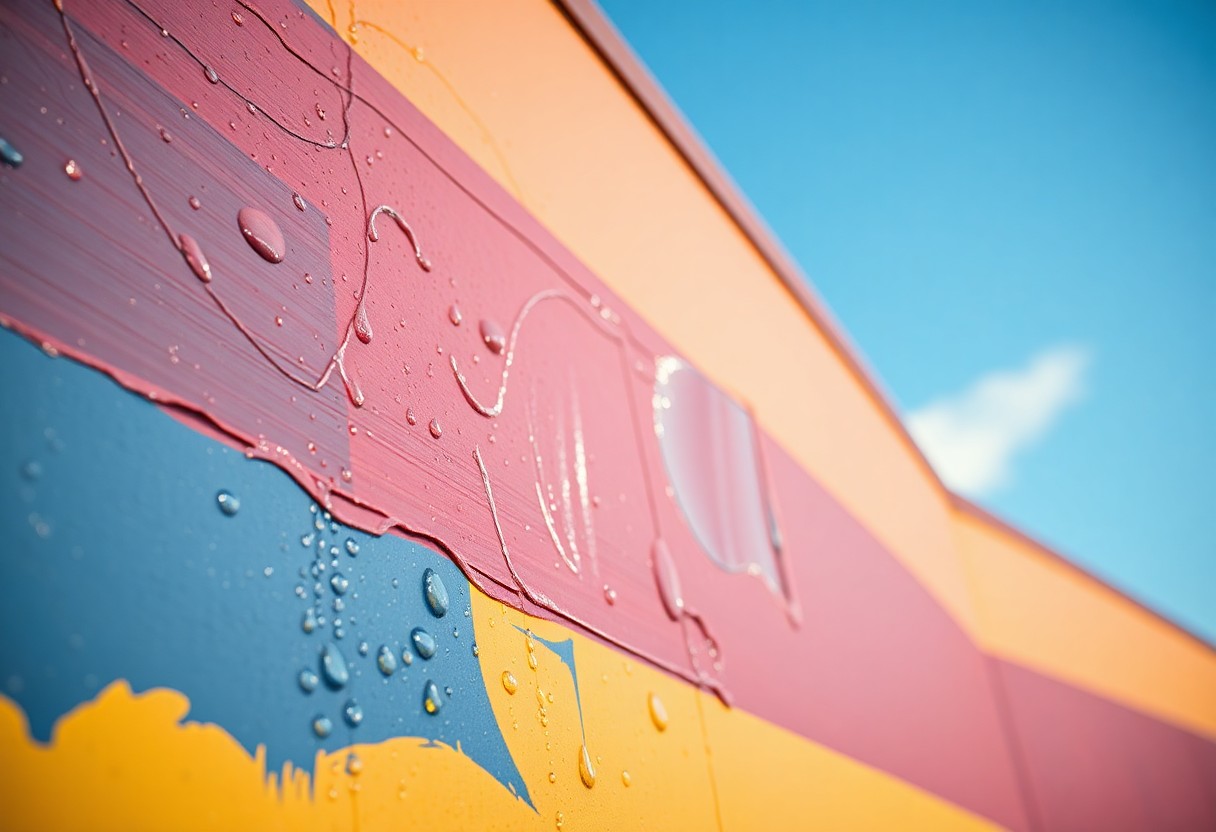
Moisture is a powerful adversary for both exterior and interior paints. When paint absorbs moisture, it tends to swell and lose its adherence to the substrate, which can result in significant damage such as blistering and flaking. Additionally, moisture trapped beneath the paint creates an ideal breeding ground for mold and fungi, making it not only a cosmetic issue but also a potential health risk. This can compromise not just the look, but the safety of your commercial property.
Preventive Measures Against Moisture
For effective protection against moisture, you should consider utilizing a high-quality primer that acts as a barrier, preventing water penetration. Additionally, regular inspections of your property to identify leaks or areas of high humidity can help you take proactive steps. Employing proper ventilation and controlling humidity levels inside your building will also play a pivotal role in ensuring a long-lasting paint job.
Moisture is a persistent threat that can be mitigated through thoughtful design choices and materials. One effective approach is to choose paints that are specifically formulated for the environment in which they will be used, such as moisture-resistant paints or those that provide added protection against UV rays. It’s also important to properly seal joints and gaps and maintain drainage systems to channel water away from your building. By taking these preventive measures, you not only enhance the aesthetics of your painted surfaces but also ensure their durability against the damaging effects of moisture.
UV Protection for Paint
Once again, the vulnerability of commercial paint to environmental factors comes into play, particularly the relentless assault from ultraviolet (UV) rays. These rays can significantly alter your paint’s appearance and longevity. Exposure to sunlight is inevitable, but the damage it inflicts—fading, discoloration, and degradation of paint integrity—can be mitigated with the right protective measures. When your paint deteriorates, not only does it affect the aesthetics of your property, but it can also lead to costly repairs and maintenance over time. Understanding the impact of UV rays on your paint is necessary for preserving its appearance and functionality.
The Impact of UV Rays
Paint exposed to UV rays experiences a breakdown of its chemical structure, leading to a range of visual and physical deterioration. You may notice that the richness and vibrancy of your paint colors fade, resulting in a washed-out appearance. Additionally, excessive UV exposure can cause the paint to become brittle and chalky, further compromising the protective layer it provides. This deterioration can create a negative impression for potential customers and clients, decreasing your property’s curb appeal and overall value.
Solutions for UV Protection
Below, understanding how to bolster your paint’s resilience against UV rays is necessary for maintaining its integrity. One effective solution is to opt for high-quality paints formulated with UV filters that can reflect and absorb harmful rays. Such products not only enhance the lifespan of your paint but also keep colors vibrant over time. Additionally, consider applying a protective topcoat that includes UV blockers, creating an additional barrier to shield your paint from sun damage.
And don’t underestimate the power of strategically positioning your property to minimize direct sunlight exposure, such as utilizing awnings or shade structures. Regular maintenance, including cleaning and reapplying protective coatings, will serve to fortify your paint against the relentless effects of UV rays. By taking these proactive steps, you can ensure that your commercial paint remains not only aesthetically pleasing but also capable of withstanding daily environmental challenges.
Everyday Wear and Tear
Not all damage to your commercial paint is due to external factors like moisture and UV exposure; everyday wear and tear can significantly impact its longevity as well. Regular human interactions—from foot traffic, furniture movement, to inadvertent scratches—can slowly degrade the surface of your painted walls or surfaces. If you’re curious about how to protect your valuable artwork or painted surfaces, you might find it helpful to explore insights on Do I really need a UV protectant? : r/artcollecting, which highlights the importance of safeguarding against common sources of damage.
Common Causes of Wear
Above all, the most common contributors to wear include oils and dirt from hands, friction from furniture, and even cleaning products that may be abrasive. The accumulation of grime can dull the finish of your paint, while accidentally bumping into surfaces can leave unsightly dings and scrapes. Additionally, high-traffic areas are particularly vulnerable, where the paint can show signs of fading or discoloration due to constant contact and movement in those spaces.
Maintaining Paint Longevity
Wear and tear can feel inevitable, but there are effective techniques to preserve the integrity of your paint. Frequent cleaning with mild solutions can help remove dirt and oils, while applying protective coatings specifically designed for painted finishes can create an extra barrier against scratches and stains. It’s also wise to avoid using harsh chemicals that could compromise the paint, and instead, opt for gentler alternatives that offer the same cleaning effectiveness.
But investing your time and effort into maintaining your commercial paint will yield positive results over time. Regular touch-ups for minor damage can help maintain the aesthetic appeal, while implementing preventive measures, such as using furniture pads to reduce friction, can greatly enhance the lifespan of your paint. By prioritizing these steps, you’ll not only keep your painted surfaces looking their best but also maintain their structural integrity against the inevitable wear of daily life.
Maintenance Tips for Commercial Paint
All commercial paint requires regular upkeep to retain its aesthetic appeal and protective qualities. By incorporating a consistent maintenance schedule, you can prolong the life of your paint. To aid in your efforts, consider these effective tips:
- Perform regular inspections for signs of wear and damage.
- Keep painted surfaces clean and free of debris.
- Address minor damages immediately to prevent further deterioration.
- Utilize appropriate cleaning agents to remove grime without harming the paint.
- Be proactive with touch-ups and repainting as necessary.
Thou can enhance the durability of your commercial paint by adhering to these simple yet effective maintenance strategies.
Regular Inspections
Paint surfaces should undergo frequent evaluations to identify any potential issues early on. Regular inspections enable you to spot signs of chipping, fading, or peeling, especially in areas that may be exposed to more rigorous conditions like moisture or UV rays. During these inspections, you should also check for any underlying structural issues that might compromise the paint, ensuring that your investment remains secure.
By dedicating time to these routine checks, you protect against costly repairs in the future. Not only does this proactive approach maintain the appearance of your surfaces, but it also safeguards your property from deterioration.
Cleaning and Touch-Up Techniques
TouchUp involves consistent cleaning practices to maintain the quality of your commercial paint. Begin by using a soft cloth or sponge along with a gentle cleaning solution to remove dirt and grime from the surface. Avoid harsh chemicals, as these can strip away your paint’s protective layers. For areas that show wear, consider performing touch-up painting with matching colors to preserve the uniformity of your surfaces.
The key to effective maintenance is implementing cleaning techniques that avoid damaging the paint structure. Ensure you use the right products while focusing on areas that receive high traffic or are subject to environmental stressors. Regular touch-ups not only elevate the overall appearance but also protect the underlying material from moisture and UV damage. Adopting these practices will greatly enhance the longevity and durability of your paintwork.
Conclusion
With this in mind, safeguarding your commercial paint from moisture, UV exposure, and routine wear is not just a preventive measure but an investment in the longevity and appearance of your property. By using high-quality paint products designed for durability, incorporating sealants, and considering protective coatings, you can significantly enhance the resilience of your surfaces. Regular maintenance and inspections will also ensure that any issues are addressed before they escalate, thus preserving the integrity and visual appeal of your spaces.
Ultimately, understanding and implementing strategies to protect your commercial paint will pay dividends in terms of aesthetic value and cost-effectiveness over time. By staying informed about the environmental factors that can affect your paint work and taking proactive steps, you ensure that your investment looks great and stands the test of time. Take charge of your paint care, and your surfaces will thank you with their lasting beauty and functionality.
Q: How can I protect commercial paint from moisture damage?
A: To protect commercial paint from moisture, it is imperative to use a high-quality primer before applying the paint. Look for primers that are specifically designed for moisture resistance. Additionally, ensuring proper ventilation in the area can help. A coat of water-repellent sealer or sealant after painting can also enhance moisture protection. Regular maintenance, such as checking for leaks and repairing any damage promptly, will further safeguard the paint from moisture-related issues.
Q: What measures can be taken to shield commercial paint from UV exposure?
A: To shield commercial paint from UV exposure, choose paints that contain UV-resistant additives or are specifically marketed as UV-protective. Using lighter colors can also help, as they tend to reflect sunlight better than darker hues. Regularly applying a protective clear coat or sealant that provides UV protection will help to preserve the finish and color integrity. Installing awnings or shades can further limit direct exposure to sunlight, prolonging the life of the paint job.
Q: How can I protect painted surfaces from everyday wear and tear?
A: To protect painted surfaces from everyday wear and tear, consider applying a durable topcoat over the paint. This can provide an extra layer of protection against scratches, scuffs, and stains. Ensure that furniture and equipment placed near painted surfaces have pads or felt protections to avoid direct contact. Regular cleaning using gentle, non-abrasive materials will also help maintain the appearance and longevity of the paint. Additionally, re-evaluating high-traffic areas and conducting touch-ups as needed will keep the painted surfaces looking fresh.