



There’s a lot to consider when planning your commercial painting project to ensure it runs smoothly and effectively. From choosing the right contractor to establishing clear communication paths, every step plays a vital role in achieving a successful outcome. Engaging experienced professionals, like W.W. Nash, who understand the nuances of your specific project can address potential challenges head-on. This guide outlines crucial best practices to keep your project on track while keeping your tenants happy and safe throughout the process in Richmond, VA.
Key Takeaways:
- Thorough preparation and clear communication with contractors are vital for a streamlined project, ensuring that all parties are aligned on expectations and project scope.
- Hiring tenant-friendly contractors, such as W.W. Nash, who specialize in your building type can minimize disruptions and ensure a smoother process throughout the painting project.
- Consistent and proactive updates on project timelines from contractors help manage any unexpected delays, keeping both tenants and management informed and reducing frustration.
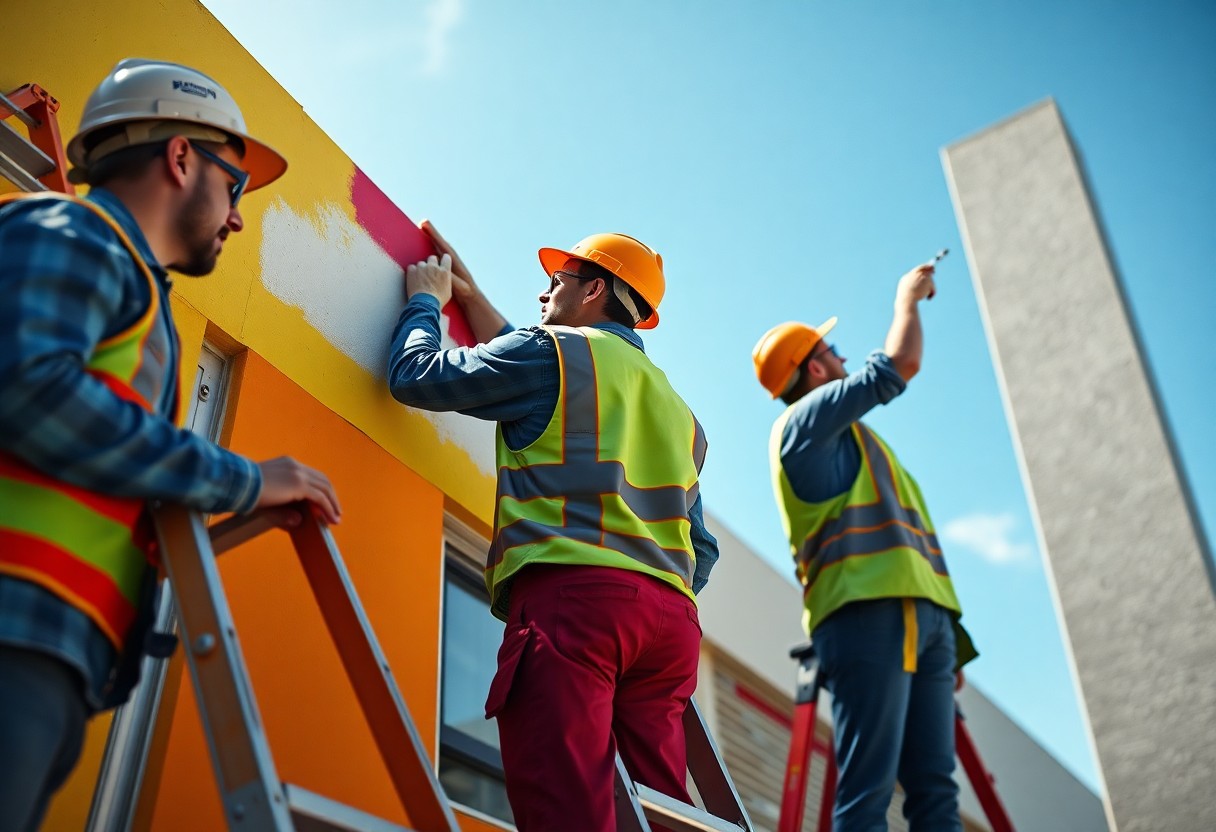
Planning Your Commercial Painting Project
As you begin on a commercial painting project, proper planning is vital for a smooth and successful execution. Considerations like project scope, budget allocation, and timelines will set the foundation for your project, ensuring that everything runs efficiently and meets your expectations.
Assessing the Scope of Work
By clearly defining the scope of work, you provide a roadmap for the project that includes surface preparation, specific areas of focus, and the types of finishes required. This clarity will streamline communication with your contractors and help avoid unexpected complications during the painting process.
Budgeting and Cost Estimates
Against the backdrop of an industry known for fluctuating pricing, establishing a detailed budget is necessary for your painting project. This financial plan should incorporate estimates for labor, materials, and any potential unexpected expenses that may arise during the course of the work.
Assessing your budget properly involves gathering multiple quotes from contractors like W.W. Nash, ensuring that you understand the cost breakdown for each proposal. Take into account potential delays and the need for contingencies, as these can significantly affect overall costs. Having a well-prepared budget not only guides your project but also empowers you to make informed decisions, ultimately leading to a successful outcome that enhances your property’s value and tenant satisfaction.
Selecting the Right Painting Contractor
There’s no underestimating the importance of choosing the right painting contractor for your commercial project. An accomplished contractor will not only enhance the aesthetic appeal of your property but also ensure a smooth and efficient process from start to finish, resulting in happy and safe tenants in Richmond, VA.
Researching and Vetting Candidates
Among your first steps should be thorough research and vetting of potential contractors. Look for those with solid reputations, as well as adequate experience in projects similar to yours. Online reviews and recommendations can guide you in identifying reliable candidates who prioritize tenant satisfaction and safety.
Reviewing Portfolios and References
Against the backdrop of choosing the right contractor, you must analyze their portfolios and seek references. This helps you gauge their expertise and craftsmanship while ensuring they align with your project’s needs.
And when reviewing portfolios, focus on completed projects that resemble what you envision for your building in Richmond, VA. Check for consistent quality and adherence to timelines, which reflect a reliable work ethic. Contacting provided references gives you insight into the contractor’s communication practices and problem-solving abilities. Do they address issues promptly? Are there positive comments about their professionalism? Your due diligence here ensures that you select a contractor committed to delivering exceptional results, thus reducing the chance of project delays and unexpected costs.
Understanding Paint Options
To make informed decisions for your commercial painting project, it’s necessary to understand the variety of paint options available. Each type of paint serves different functions and suits various surfaces, allowing you to choose the right one that aligns with both aesthetic and performance needs for your property.
Types of Paint and Their Applications
- Acrylic Paint: Water-based, ideal for exterior surfaces, quick-drying.
- Latex Paint: Flexible, easy to clean, and suitable for interior walls.
- Oil-Based Paint: Durable, excellent for high-traffic areas, but longer drying time.
- Epoxy Paint: Resistant to chemicals, perfect for industrial applications.
- Textured Paint: Adds dimension, hides imperfections, suitable for decorative purposes.
Thou will find that selecting the right paint can not only enhance your building’s appearance but also prolong its lifespan.
| Paint Type | Best Use |
| Acrylic Paint | Exterior surfaces |
| Latex Paint | Interior walls |
| Oil-Based Paint | High-traffic areas |
| Epoxy Paint | Industrial applications |
| Textured Paint | Decorative finishes |
Environmental Considerations
Against the backdrop of your painting project, you must consider the environmental impact of your paint selection. Using low-VOC or zero-VOC paints can significantly enhance air quality and reduce health risks for your tenants.
Types of paints that contain volatile organic compounds (VOCs) can emit harmful gases which pose risks to both human health and the environment. By choosing eco-friendly options, you contribute to a safer environment, while still achieving the aesthetic you desire. Additionally, water-based paints generally have fewer harmful emissions and offer easier clean-up. Opting for such products not only aligns with sustainable practices but can also improve tenant satisfaction, as they are more likely to appreciate efforts taken towards their wellbeing.
Preparing the Site for Painting
Now that you’ve decided on your commercial painting project, it’s important to ensure the site is properly prepared for the upcoming work. This includes assessing the building’s condition and possibly consulting Guidelines to Help You Plan a Large Commercial Painting Project. By taking these steps, you’ll facilitate a smoother process and create an environment that supports the efficiency of the painters, ultimately contributing to a successful outcome.
Safety and Accessibility Measures
Below, you’ll want to prioritize safety and accessibility as part of your preparation. Clear pathways for workers and equipment should be established to prevent accidents and ensure that all safety regulations are followed. This may include marking areas with signage or barriers and providing proper access to emergency exits. Keeping safety protocols at the forefront will protect your tenants and workers during the project.
Protecting Surrounding Areas
About ensuring surrounding areas are protected, you should take proactive measures to shield landscaping, outdoor furniture, and walkways from paint splatter and debris. Utilizing drop cloths and tarps is effective in safeguarding these areas, maintaining the aesthetics of your property while the work is being done. It’s also helpful to communicate with tenants about potential disturbances during this phase.
At the same time, you need to be particularly vigilant about potential hazards. Not only does this include paint overspray that can damage valuable landscaping and outdoor assets, but also debris that can obstruct pathways, posing a risk to tenant safety. Working with W.W. Nash, you’ll ensure a thorough preparation process to protect everything surrounding your building while significantly enhancing its appearance through exterior painting. By planning effectively, you contribute to a positive experience for your tenants during the project.
Managing the Painting Process
Many factors contribute to a successful commercial painting project, necessitating a solid management strategy. Effective oversight involves clear communication and the ability to adapt to unexpected challenges. By learning about Mastering the Art of Commercial Painting: Best Practices, you can enhance your approach and ensure your project runs smoothly.
Scheduling and Project Timelines
Between confirming your project timeline and managing contractor schedules, the importance of a detailed schedule cannot be overstated. Regular updates and flexible adjustments help you stay on track while addressing any unforeseen delays.
Quality Control and Supervision
Painting projects require diligent oversight to maintain high standards. Effective quality control ensures that all work meets your expectations and safety standards. Regular site inspections allow you to identify issues early, optimizing adjustments before they escalate. Track progress against the timeline, and communicate promptly with your team to address any deficiencies. By requiring contractors to provide thorough progress reports and conducting routine inspections, you can ensure that all paintwork is completed to an exemplary standard. Strong communication fosters a positive working relationship, reinforcing your commitment to quality while keeping your tenants happy and safe during the project’s duration.
Final Inspection and Touch-Ups
Keep the momentum going by scheduling a thorough final inspection once your exterior painting project nears completion. This step ensures that everything meets your expectations and allows for any necessary touch-ups to enhance the building’s appearance. Investing time in this final walkthrough will pave the way for long-lasting results and bolster tenant satisfaction. For more insights, check out Professional Painting Tips & Tricks For Commercial Buildings.
Ensuring Quality Assurance
At the final inspection phase, you want to verify that all work aligns with the agreed-upon standards. This means checking for consistent painting, clean lines, and the absence of any drips or overspray. Conduct a detailed review with your contractor to ensure they address any identified deficiencies promptly.
Addressing Tenant Concerns
On completion, promptly address tenant concerns to maintain trust and satisfaction. Provide a platform where tenants can voice their feedback about the project. Be proactive; clarify that this stage is open for any potential issues related to the painting project.
Consequently, keeping open lines of communication during and after the project enhances tenant relations significantly. It’s crucial to inform them that their safety and well-being are your top priorities during the interior painting project. You can minimize disruptions and promote a positive atmosphere by providing updates on timelines and procedures. Reassuring tenants with clear communication can help alleviate any uncertainties and foster a more welcoming environment in your property in Richmond, VA.
Final Words
On the whole, following best practices for your commercial painting projects can significantly enhance the experience for you and your tenants. By investing adequate time in project preparation, fostering ongoing communication, and partnering with tenant-friendly contractors like W.W. Nash, you can expect a smoother process and a more satisfying result. Clear expectations about timelines and meticulous attention during finishing will ensure your property not only looks great but also maintains its value for years to come, keeping your tenants happy and safe throughout the journey.
FAQ
Q: What are the necessary factors to consider when preparing for a commercial painting project in Richmond, VA?
A: Preparation is key to the success of any commercial painting project. Start by clearly defining the scope of work and communicating your goals to potential contractors. Organizing a site visit with multiple contractors allows you to present your requirements in one go, facilitating better quotes. When dicking out a contractor, ensure they provide proof of general liability insurance, WorkSafeBC clearance, and detailed safety plans. Choosing a contractor who understands the specific needs of your building type—such as access requirements and handling hazardous materials—is also important to ensure the safety and satisfaction of your tenants.
Q: How can I ensure effective communication throughout the painting project?
A: Promoting clear communication during a commercial painting project is necessary. Begin with a project kickoff meeting, where all stakeholders—including your contractor—can discuss the overall plan, working hours, site organization, and expectations. Define your preferred communication methods (e.g., email, phone, or text) and establish how frequently you expect updates. Encourage open feedback from your tenants and maintain a two-way communication channel to address any concerns promptly. Regular project updates from the contractor can help keep everyone informed and aligned.
Q: What should I expect at the conclusion of a commercial painting project?
A: As the project concludes, it’s important to conduct a thorough site inspection with your contractor to review the completed work and identify any outstanding items. Clearly communicate deadlines for tenant feedback to streamline the wrap-up process. You’ll want to ensure that any deficiencies are documented and addressed within an agreed timeline before officially marking the project as complete. Additionally, clarify warranty details with your contractor, as this will provide peace of mind that the workmanship will continue to meet expectations in the long term.